
The Perfect Provence Road Trip
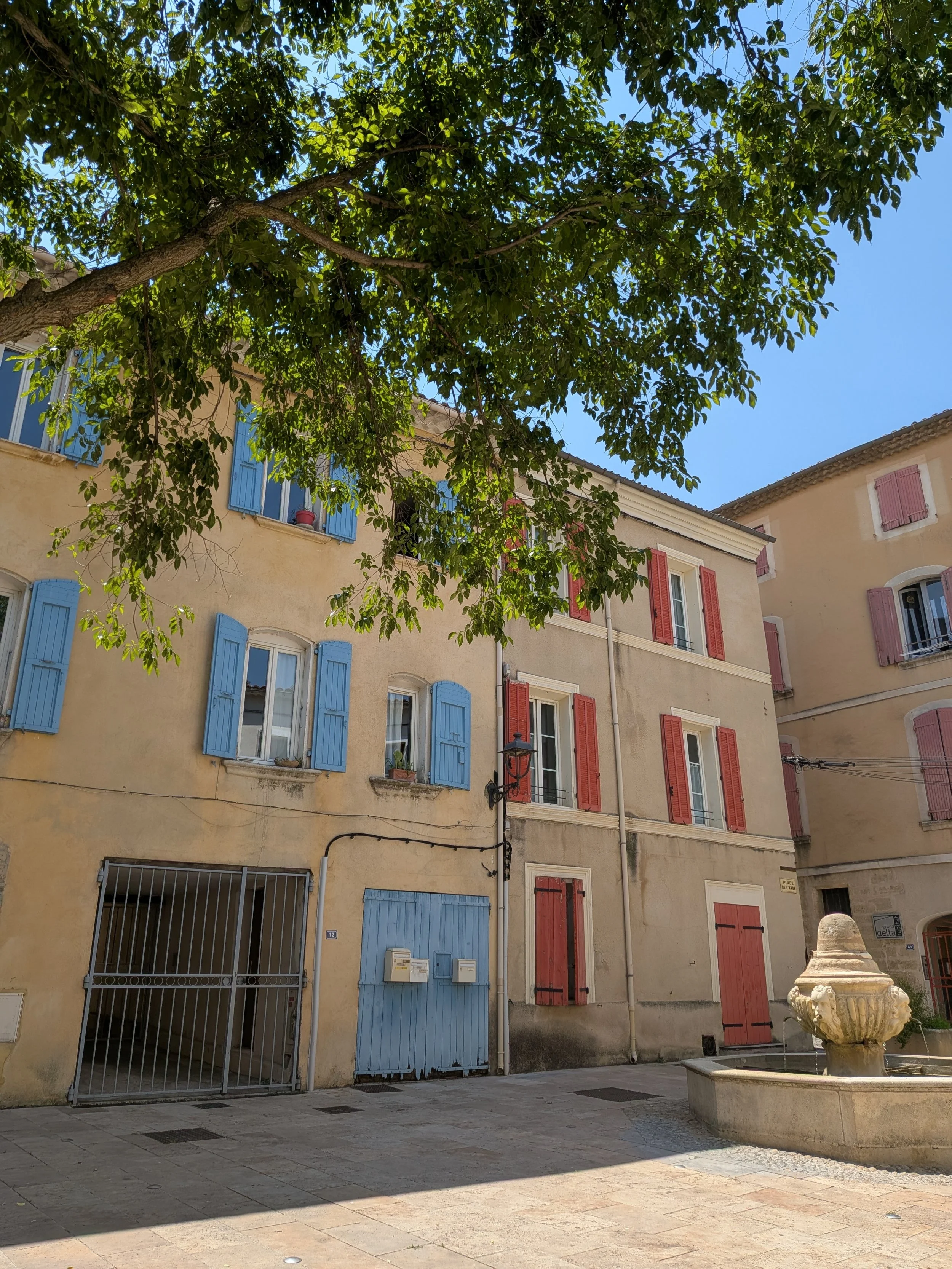
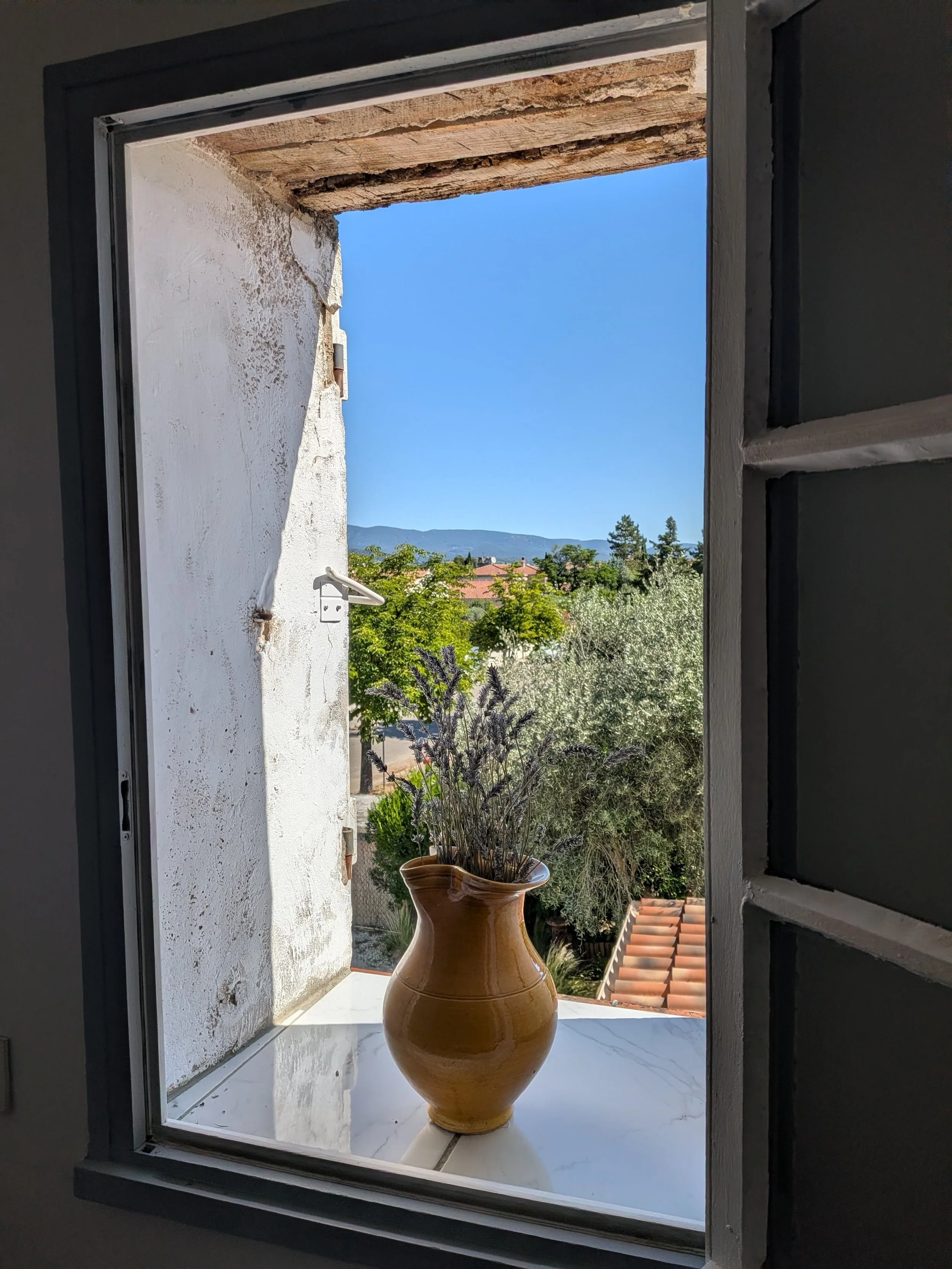
The sound of cicadas, the mistral wind, the smell of lavender, lilac-coloured shutters and yellow houses are memories deeply ingrained in my childhood summers.
I spent countless summers in Provence, in a tiny village in the Var region. My summers were filled with visiting small villages, taking day trips to Marseille and Saint-Tropez, playing pétanque in the backyard and going to OK Corral, a cowboy-themed amusement park.
I hadn't visited Provence in more than a decade, so when I returned for a friend's wedding, I took the opportunity to revisit some familiar places and discover new ones.
A Little About Provence
Provence has a history spanning more than 2,000 years, shaped by Celtic and Ligurian peoples, Greek settlers who founded Massalia (modern-day Marseille), and the Romans, who incorporated the region into Gallia Narbonensis. After the fall of Rome, Provence passed through several kingdoms before becoming the medieval County of Provence, with Aix-en-Provence as its capital. It came under the French crown in 1481, and today, while no longer an official administrative region, Provence remains a distinct cultural and historical part of France.
A Few Questions Before Starting
How many days do you need for Provence?
TBH, to visit everything in Provence, you will need more than two weeks, probably months. I know this is not always possible, so I recommend 7–10 days for this itinerary.
You can squeeze the highlights here into fewer days and add more, but I wouldn't recommend it. Enjoy, for once, the Art de Vivre à la Provençale, slowing down. I give a few options below.
Do you need a car in Provence?
You will need a car to visit small villages and go on hikes. I would recommend renting a small car. You will thank me when you're navigating tiny village streets.
You don't need a car in Marseille. In fact, I strongly recommend against having one there. Marseille has good public transportation, and parking can be difficult. Pick up your rental car once you leave the city.
Where should you stay?
You don't need to change hotels every night with this itinerary. I recommend one to three bases for this road trip. It all depends on what you want to do.
I would suggest staying at least 2 or 3 nights in Marseille.
Smaller villages in Luberon are a good base for exploring the surrounding countryside and vineyards. Plus, the accommodations are cheaper than in Marseille or Aix. You can also do the Luberon area as day trips from Marseille.
Arles is a good base for exploring the city and spending a day in the Camargue.
When is the best time to visit Provence?
May–June: Warm weather, blooming landscapes and generally fewer crowds.
July–August: Lavender season, beach weather. However, it is very hot, busy and more expensive to visit. I would recommend against it.
September–October: The temperatures are more comfortable, the summer crowds are gone, and the vineyards are in harvest season.
We went at the end of June and beginning of July, in the middle of the heat wave. If I could have avoided the heat, I would have. The heat was extremely uncomfortable.
Your 7–10 Day Provence Road Trip
This isn't an itinerary where you're waking up at 6 a.m. every morning to squeeze five villages into one day. If you're a 9-to-5er with limited PTO and don't want to spend your vacation racing from one attraction to another, this itinerary is for you.
The longest drives are around two hours, and I recommend using one to three bases rather than changing hotels every night. You can do this road trip in 7–10 days, depending on how much time you want to spend at each stop.
With this itinerary, you're not spending hours and hours behind the wheel every day. Instead, you'll use a few bases and take day trips.
Marseille: 3 days
Aix-en-Provence: 1 day
Toulon: 1 day
Luberon: 1–2 days
Arles: 2 days
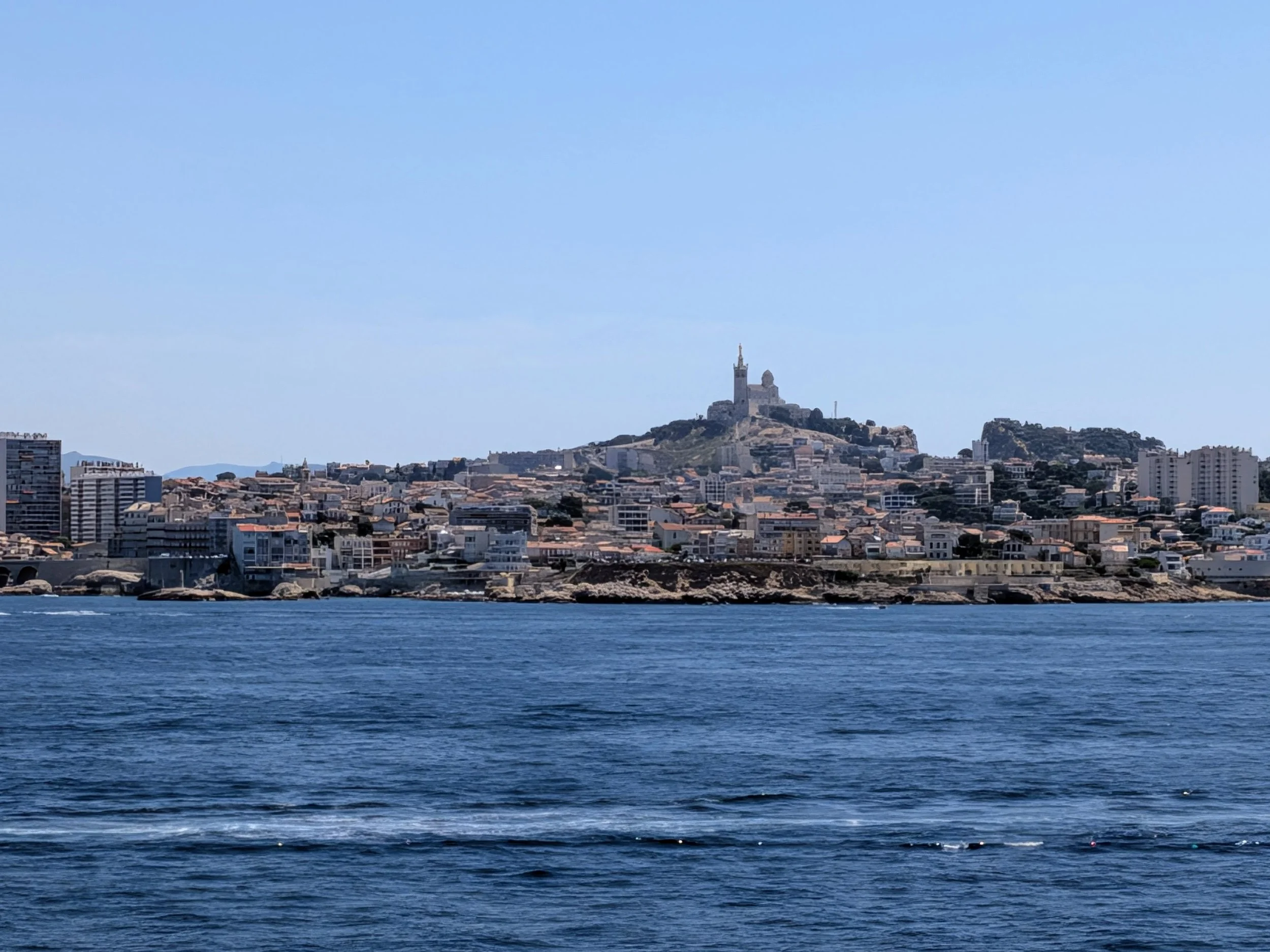
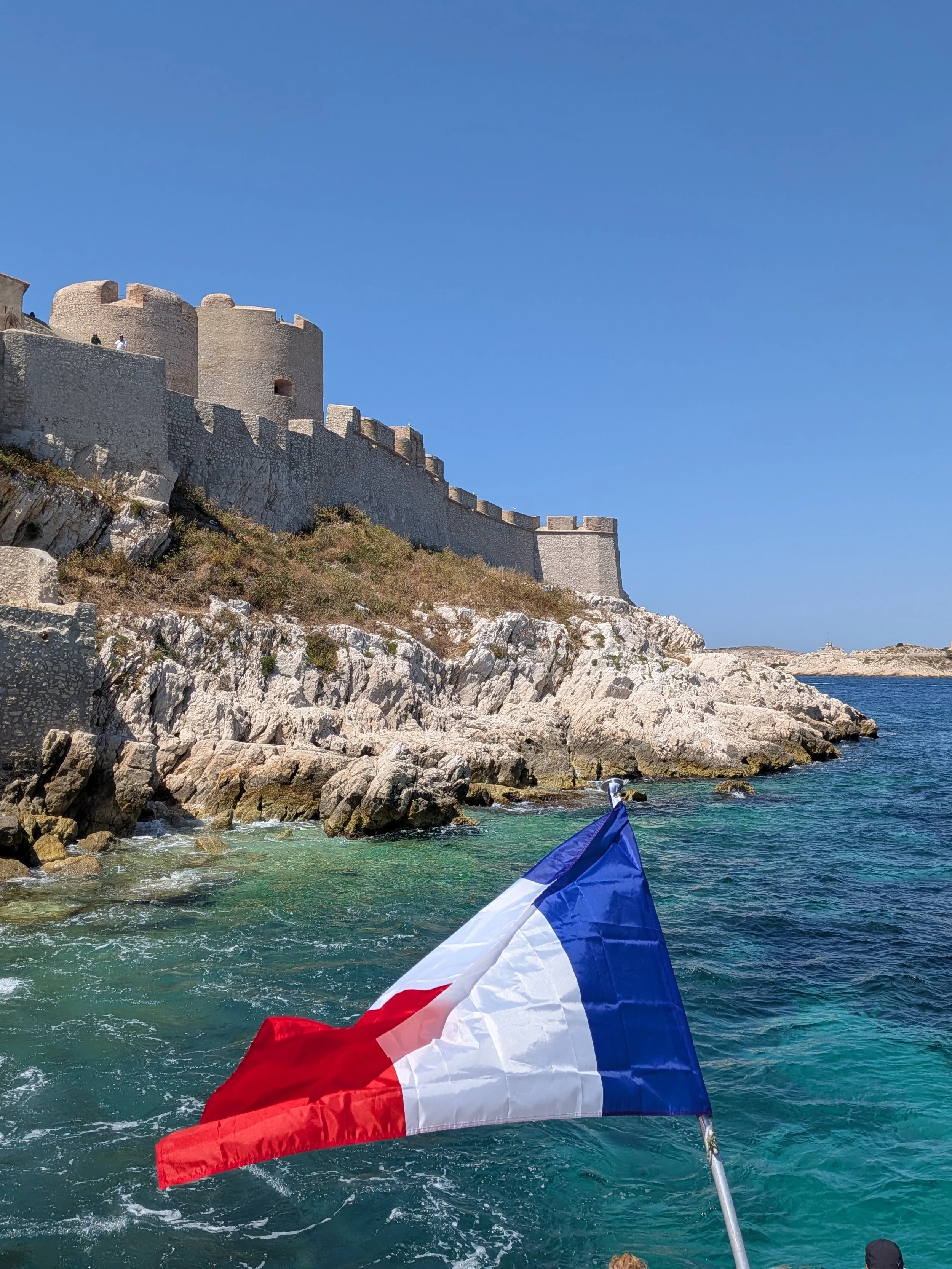
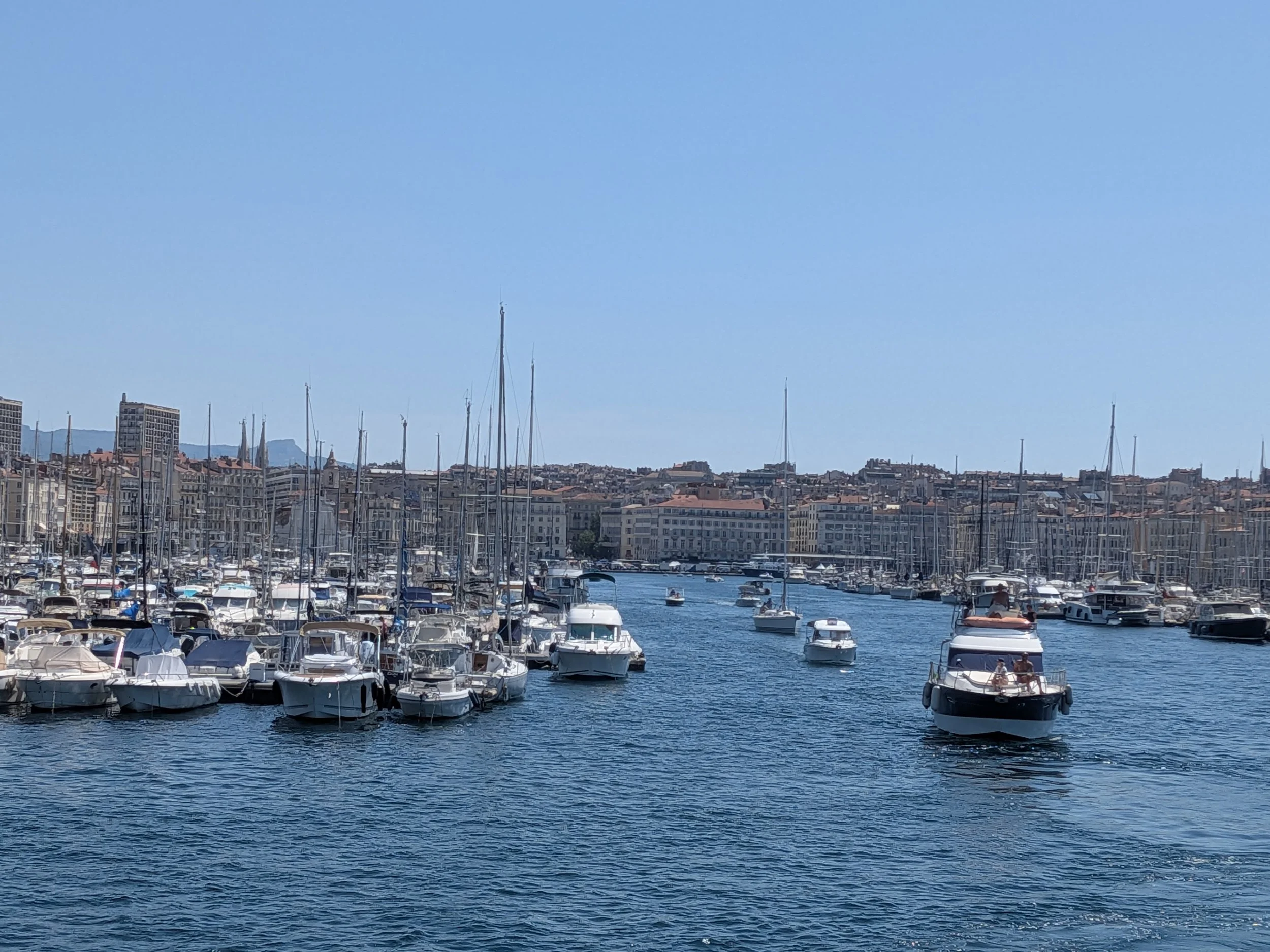
Marseille - view from the boat
Provence Travel Itinerary Details
Marseille
Recommended stay: 2–3 nights
The Mediterranean is Marseille’s identity. The city is shaped by the sea, the Calanques, seafood and the mix of cultures.
Founded around 600 BC by Greek settlers from Phocaea (modern-day Foça in Turkey), Massalia grew around the natural harbour that is now the Vieux-Port and became an important Mediterranean trading centre. The city later came under Roman control after Julius Caesar's siege in 49 BC and eventually developed into a major port connecting France with the wider Mediterranean. Marseille's identity has also been shaped by waves of migration, particularly from North Africa, which is reflected in its diverse food scene. In 2013, Marseille-Provence was named European Capital of Culture, helping accelerate the redevelopment of the waterfront and bringing landmarks such as Mucem into the spotlight.
Vieux-Port
The Vieux-Port has been at the heart of Marseille for more than 2,600 years.
Come in the morning to see the port come alive. Depending on the day, you'll find vendors selling local produce and fishermen selling their catch, then walk along the waterfront toward Fort Saint-Jean. The port is also the departure point for boats to the Château d'If and the Frioul Islands.
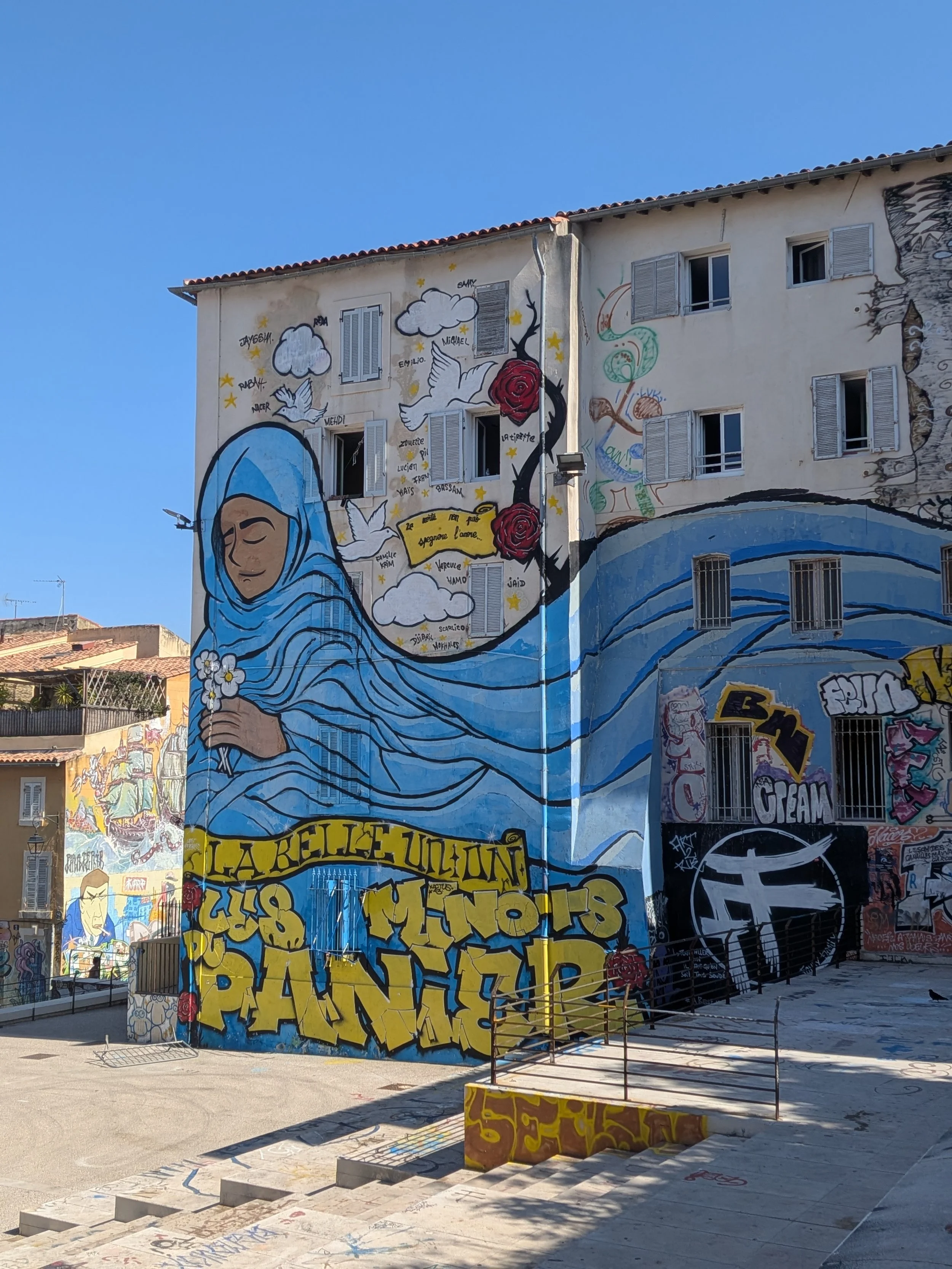
Le Panier
Le Panier is Marseille's oldest neighbourhood. The neighbourhood was home to generations of fishermen, artisans and immigrant communities, giving it a distinctly working-class and multicultural character. Today, the neighbourhood has been extensively revitalized and gentrified and is known for its colourful façades, street art, small boutiques, cafés and galleries.
Nearby, visit La Vieille Charité, a beautiful 17th-century former almshouse that now houses museums and exhibitions. (It had AC, which was great!)
Notre-Dame de la Garde
Perched on Marseille's highest hill, Notre-Dame de la Garde is one of the city's most recognizable landmarks. Even if you are not religious and visiting churches is not your cup of tea, the views from the top are worth it.
The basilica is known for its striking Neo-Byzantine architecture, colourful mosaics, and the golden statue of the Virgin Mary that watches over Marseille. The current basilica was built in the 19th century and is known locally as La Bonne Mère (the Good Mother). For generations, it has been associated with protecting sailors and the people of Marseille.
Château d'If & Frioul Islands
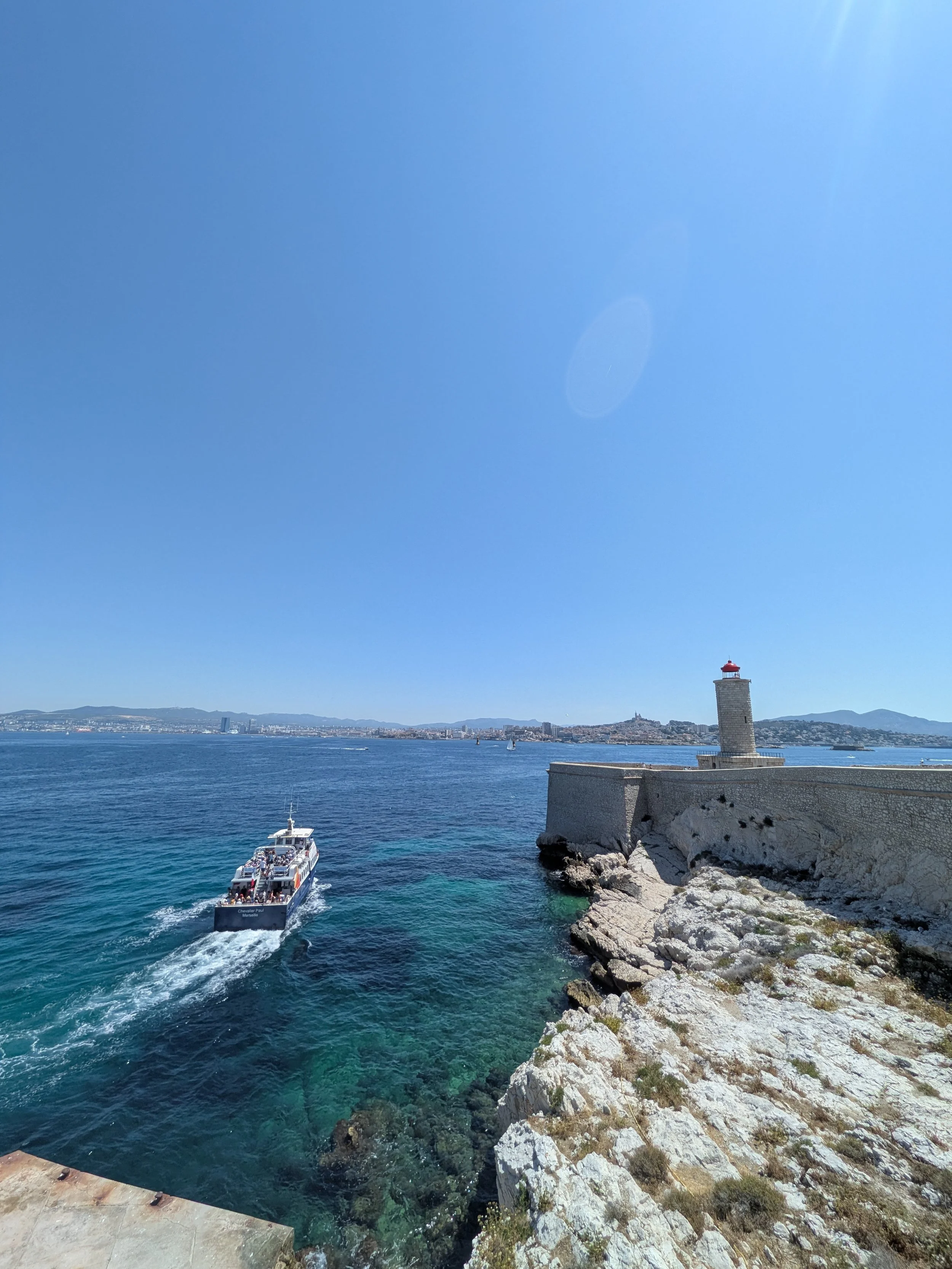
Château d’If and the Frioul Islands are a great half-day trip from the mainland. Start by taking a boat from the Vieux-Port to Château d’If, the historic fortress and former prison built on a small island just off the coast. It was made famous by Alexandre Dumas’ The Count of Monte Cristo. From there, continue to the Frioul Islands, an archipelago known for its rugged landscapes, rocky coves, turquoise waters, and walking trails. Spend a few hours exploring the islands, stopping for a swim or picnic along the way.
Pro tip: For the Château d’If or the Frioul Islands, even if you have the City Pass, you need to go and get a ticket so you can get a boat for a specific time. Places sell out fast, so I suggest you go first thing in the morning to get your tickets so you can choose the hours you want. After that, you can go have breakfast and see the market.
Mucem
Mucem (Musée des Civilisations de l’Europe et de la Méditerranée) is one of Marseille’s most impressive museums, both for its exhibitions and its architecture. Located at the entrance of the Old Port, the museum explores the history and cultures of the Mediterranean through a mix of archaeology, art, anthropology, and contemporary exhibitions. Even if you’re not a big museum person, it’s worth visiting for the building itself, with its distinctive latticed concrete façade designed by Rudy Ricciotti.
Don’t miss the outdoor terraces and the footbridge connecting the museum to Fort Saint-Jean, where you’ll find beautiful views over the Mediterranean, the Old Port, and the city.
I unfortunately wasn't able to visit because it was closed on Tuesday. The good news? That means I have another reason to return.
The Calanques
Calanques National Park is one of the must-see natural attractions around Marseille, stretching along the Mediterranean coast between Marseille and Cassis. The park is famous for its dramatic limestone cliffs, turquoise waters, hidden coves, and rugged landscapes. There are several ways to experience the Calanques, from hiking the coastal trails to taking a boat tour for a different perspective of the cliffs. There are several swimming spots to enjoy after your hike. You can also kayak and paddle.
Important: Access can be restricted during periods of high fire risk, particularly in summer, so check conditions before heading out.
Beaches
Marseille has plenty of places to swim, but don’t expect beautiful sandy beaches. The coast is very rocky, and it is what gives it its charm. Here is the list of beaches and how to access them.
What to Eat & Drink
You can’t visit Marseille without trying its specialties. The city is known for bouillabaisse, a delicious fish stew. You will also need to try panisse, crispy chickpea-flour fritters that make an excellent snack, or pick up navettes, boat-shaped biscuits flavoured with orange blossom. Marseille has a big multicultural population, which means you’ll find food from North African, Middle Eastern, Mediterranean and Provençal cuisine throughout the city.
In the afternoon, enjoy an apéro by ordering a pastis while watching the sun set over the Mediterranean.
We ate at these places:
Tuba Club is just outside of the city in Les Goudes, the restaurant is right in the rock above the sea. The setting is beautiful. If you can't get a reservation at the Tuba Club, go to the Bikini Bar, it's their bar, and they offer tapas. The views and the food are worth the price and the ride, trust me.
La Bakery by Deïa is a delicious bakery that has the most beautiful pastries.
Bistrot MIMI is the classic Marseille bistro in the Old Port. They have Mediterranean and Provençal cuisine, their menu changes constantly with the seasons, and they have daily specials. They were awarded one toque in 2023 by the renowned Gault & Millau guide.
Marseille City Pass
If you’re planning to visit several attractions in Marseille, the Marseille CityPass can be a convenient way to save money. It’s available for 24, 48 or 72 consecutive hours and currently costs €36, €47 or €55 for adults. The pass includes unlimited public transportation, one ride on the Petit Train to Notre-Dame de la Garde, one Colorbüs hop-on hop-off panoramic bus tour, and one boat crossing to either Château d’If or the Frioul Islands. It also gives access to Mucem, Musée Regards de Provence, and exhibitions at Friche la Belle de Mai, and more. The pass also includes a guided tour of the Citadelle. On top of that, you get around 40 additional discounts and special offers at participating restaurants, shops, cultural venues, museums and activities.
I found it very useful since public transit is included. I liked going to the Château d’If, the Frioul Islands and the museums. And I bought some delicious tea from Les Frères Damman. Do your math and see if this is worth it.
Crime
Marseille has an extremely bad reputation in France. Yes, criminality is higher than in other parts of the country, but that doesn't mean you should skip it. I've visited Marseille several times and never felt unsafe. I didn't feel unsafe taking public transportation and walking at night after the Bad Bunny concert.
Stay in the main tourist neighbourhoods, keep an eye on your belongings and avoid wandering around unfamiliar areas late at night. The neighbourhoods to avoid are located in the northern areas, particularly the 3rd, 4th, 13th, 14th, 15th, and 16th arrondissements.
Aix-en-Provence
Drive from Marseille: approximately 40 minutes
Recommended visit: 1 day
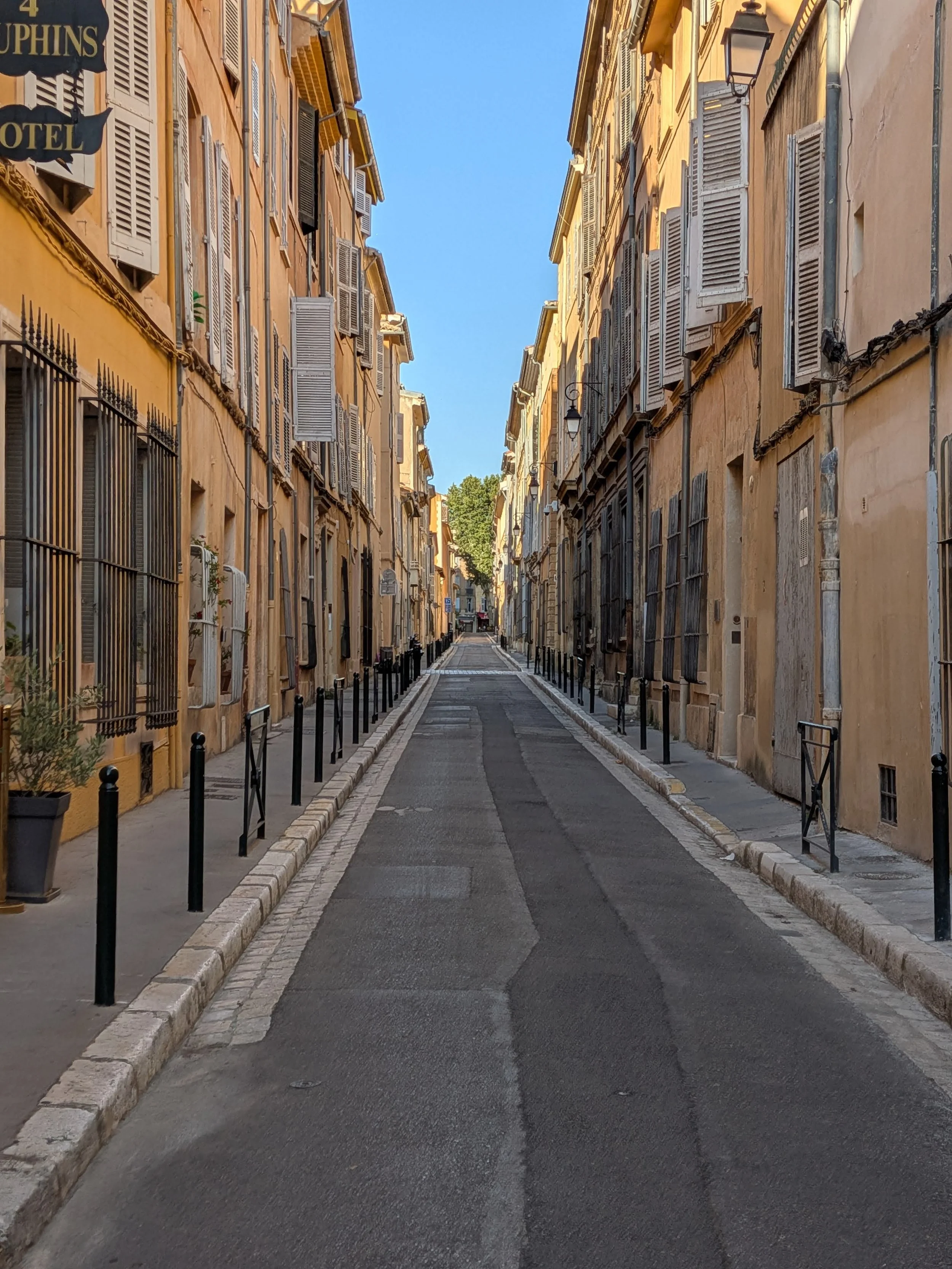
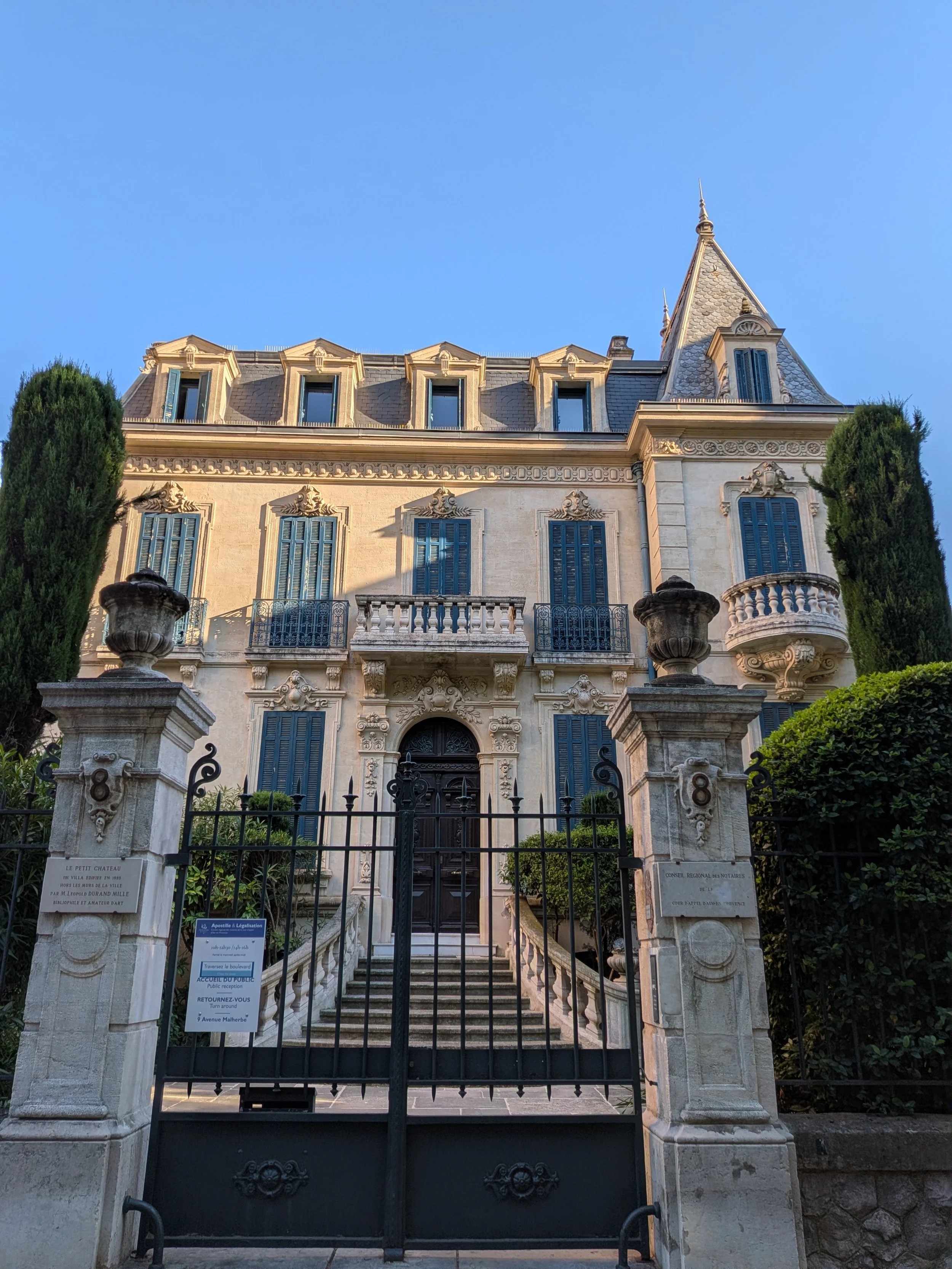
Aix-en-Provence feels like the elegant side of Provence. The city is filled with fountains, plane trees, cafés and beautiful architecture. The Romans founded the city in 123 BC as Aquae Sextiae, named after its thermal springs. Centuries later, it became the birthplace of painter Paul Cézanne.
The city is an easy day trip from Marseille as it is only 30 minutes away by car. By bus, take the L50, which departs from Marseille Saint-Charles and arrives at Aix-en-Provence's Gare Routière, making the journey in roughly 30–50 minutes depending on traffic.
Things to do in Aix-en-Provence
Cours Mirabeau
Start at Cours Mirabeau, Aix's famous tree-lined boulevard.
It was developed in the 17th century and became an important social and commercial part of the city. This is the perfect place to grab a coffee and people-watch.
The markets
Markets are one of the best places to pick up Provençal souvenirs such as olive oil, lavender products, soaps and herbs. Here is a list of all the markets. Unfortunately, our visit didn't line up with market days. If yours does, go! And don't leave Aix without trying a calisson, the almond-and-candied-melon sweet associated with the city.
Other things to do
Explore the narrow streets of Vieil Aix, stopping at Place d’Albertas, Place de l’Hôtel de Ville and Cathédrale Saint-Sauveur. Aix was the home of the famous painter, Paul Cézanne. Visit his preserved Atelier de Cézanne and follow the Cézanne walking route, or explore European art at the Musée Granet. Hôtel de Caumont – Centre d'Art offers temporary exhibitions in a beautiful 18th-century mansion, while the Fondation Vasarely showcases Victor Vasarely’s colourful geometric art.
We went to visit Hôtel de Caumont, which had a great exhibition about Toulouse-Lautrec.
Head to Christophe Madeleines in the old town for madeleines in flavours such as lemon, orange, almond, chocolate and vanilla. There is always a huge lineup. We went right before closing, and we only got the traditional one. I would have loved to try the other flavours.
Terre Ugo
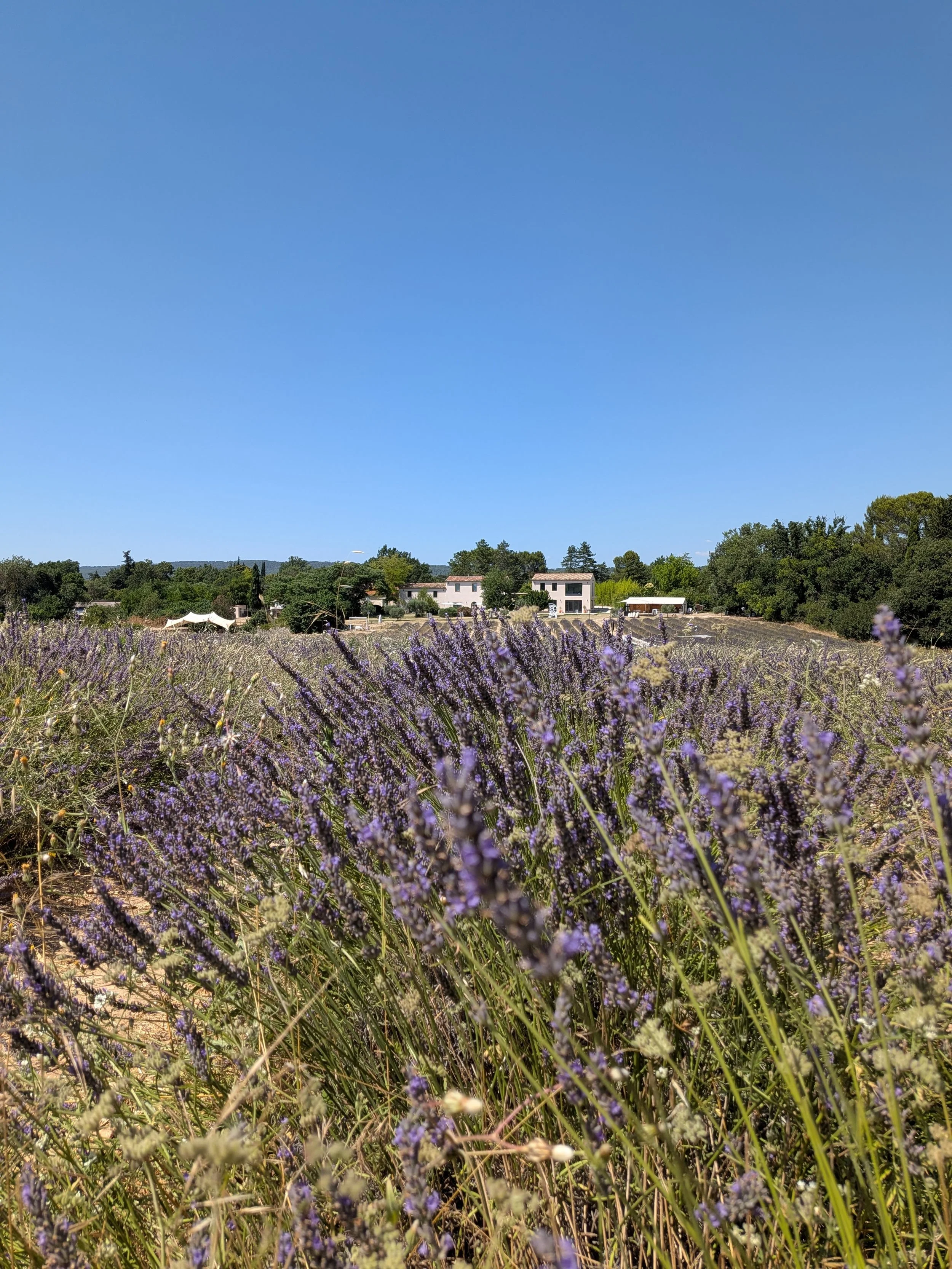
If you're visiting during lavender season, add Terre Ugo, an organic lavender farm just outside Aix. Walk through the fields, learn about lavender production and pick up some lavender products. July is the best time to see the lavender in bloom. Check the exact flowering period as it varies each year depending on the weather.
They have several activities, so check them out when you are planning your itinerary. On Thursdays, they do an apéro, and I would have loved to go during our visit. The farm is a short drive from the city centre.
Château La Coste
About 20 minutes from Aix, Château La Coste combines wine, contemporary art and architecture.
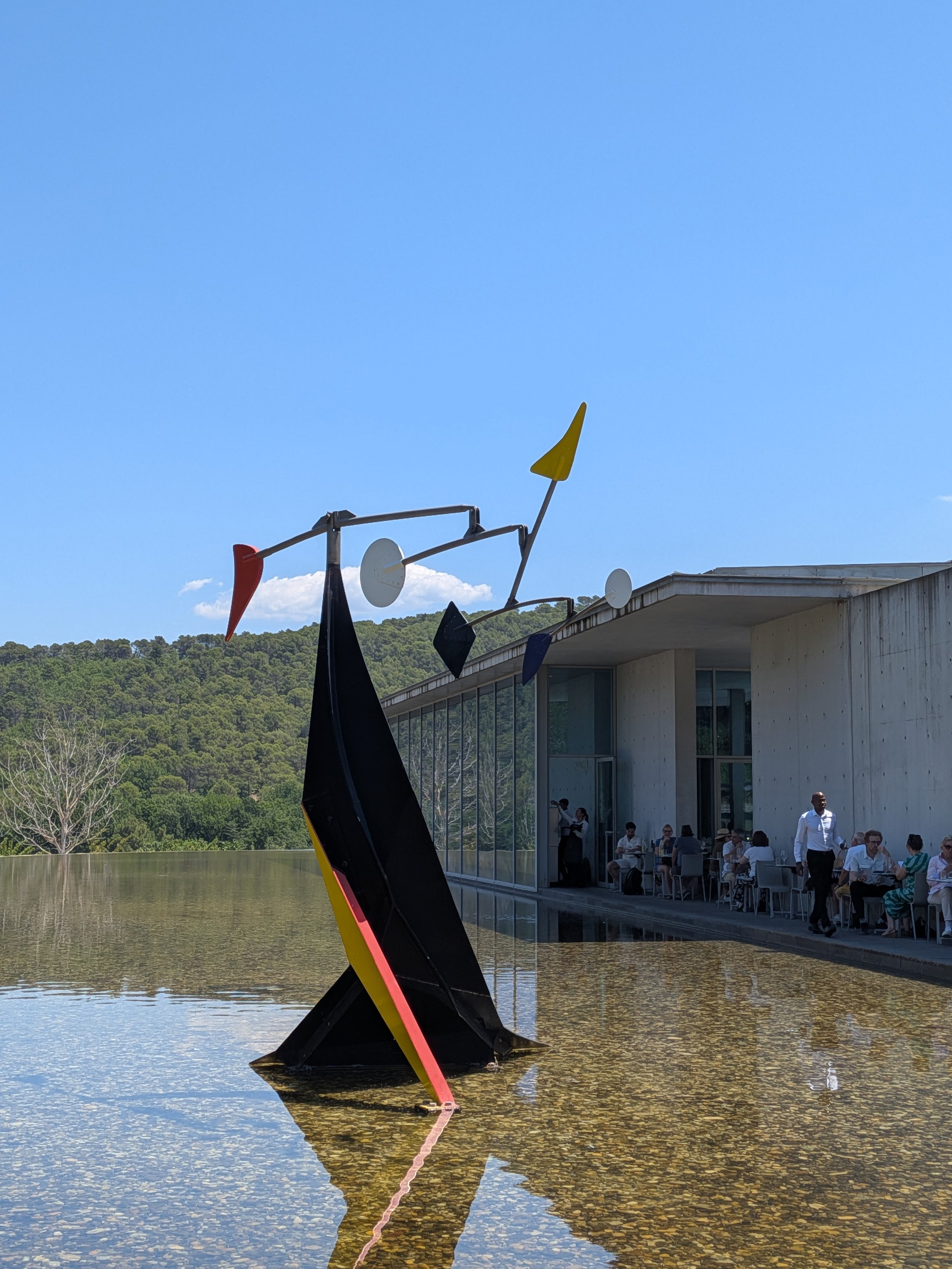
The estate is home to vineyards as well as an impressive collection of outdoor sculptures and installations, with works by artists and architects such as Tadao Ando, Louise Bourgeois and Richard Serra. You can spend several hours walking the art trails, visiting the striking architecture, touring the winery or booking a wine tasting.
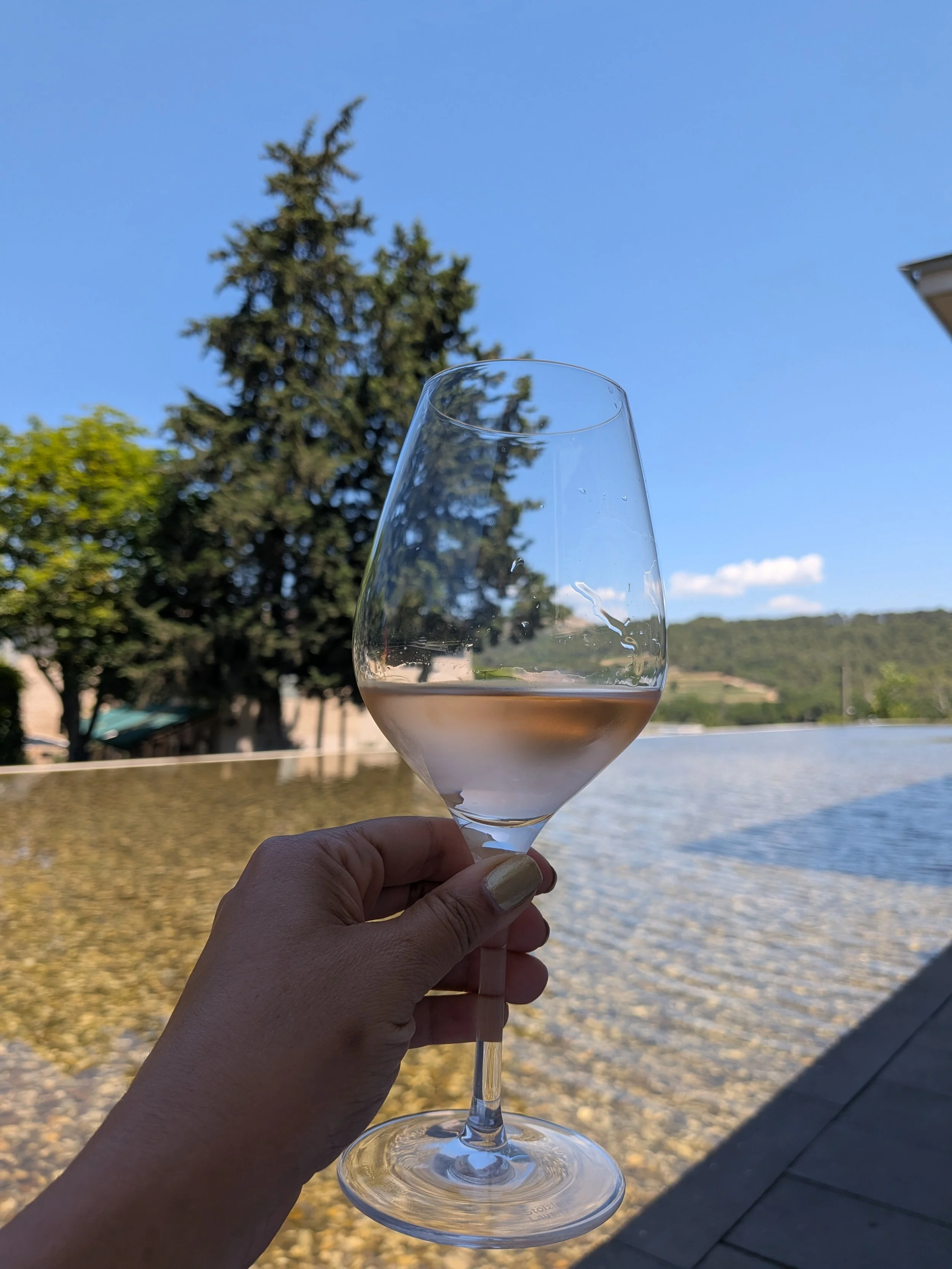
The wines are refined and well-balanced. They specialize in rosé and white wines. Their red wines are imported from their estate in Argentina. I particularly liked their sparkling rosé. I would strongly suggest eating at one of their restaurants. The scenery is worth it, and their different restaurants are some of the best in the region. We ate at Tadao Ando, and we had the table by the water with a Calder sculpture. Their gourmet coffee was delicious; it had one of the best macarons I've eaten.
Aix City Pass
The Aix-en-Provence City Pass is worth considering if you're visiting multiple museums and attractions. Available for 24, 48 or 72 hours, it includes access to a selection of the city’s main cultural sites, including Musée Granet, Atelier de Cézanne, Hôtel de Caumont, Fondation Vasarely and Pavillon de Vendôme, as well as guided tours organized by the tourist office. The pass also includes public transportation within Aix-en-Provence, discounts at participating shops and restaurants, and additional benefits for certain attractions and activities.
I took advantage of the city pass discounts to buy gifts to bring back home at the shop inside the tourism office. We used it for the art trail at Château La Coste, Terre Ugo and the Hôtel de Caumont.

Luberon
Drive from Marseille: 60 minutes drive
Recommended stay: 2–3 nights
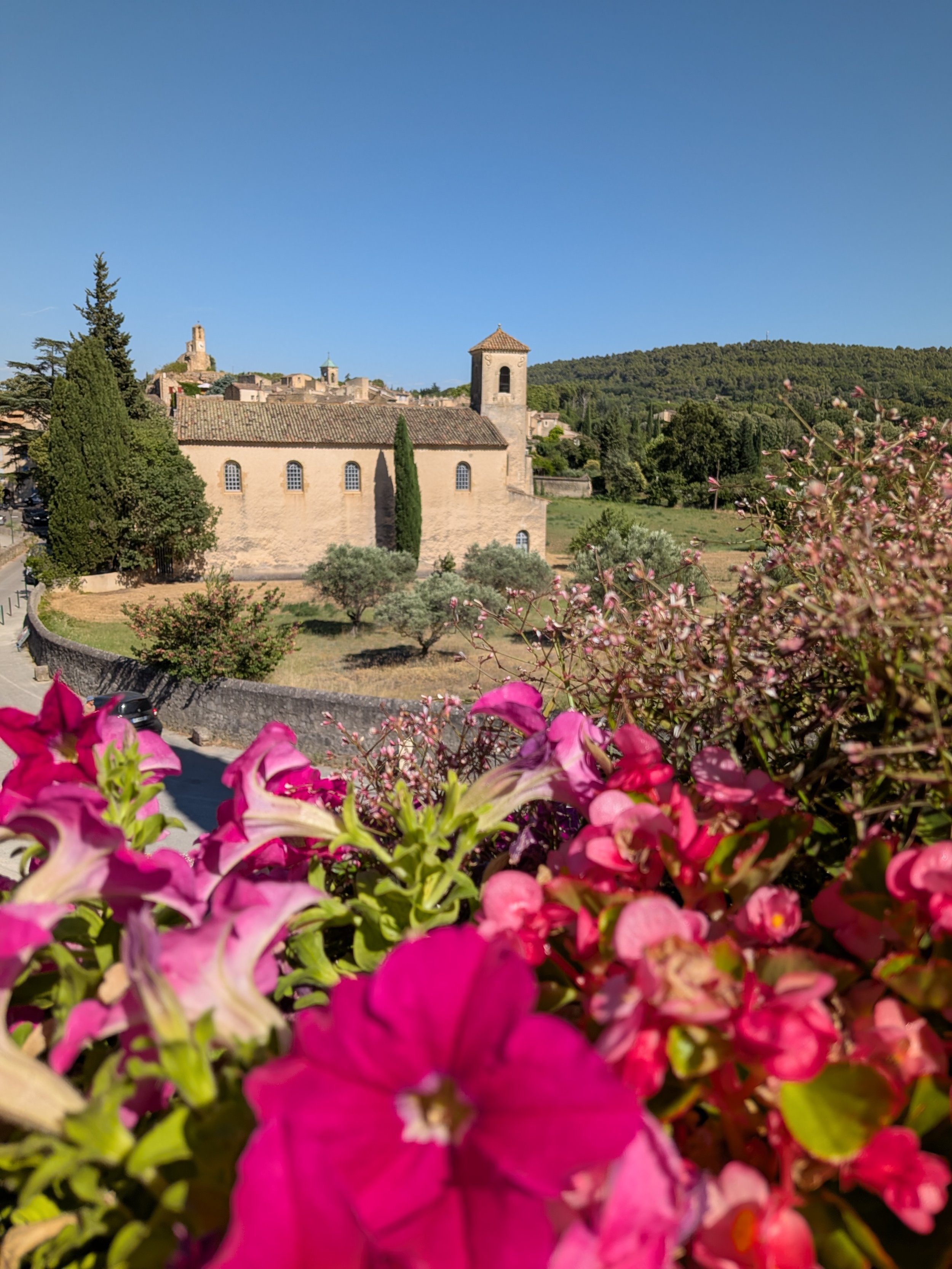
The Luberon is one of the most beautiful areas to explore from Aix-en-Provence, especially if you want to experience the landscapes and villages that define Provence. The region is known for its hilltop villages, lavender fields, vineyards, olive groves, with highlights including Gordes, Roussillon, Lourmarin and Bonnieux. Luberon is easiest to explore by car, as many of the smaller villages and countryside attractions are not well connected by public transportation.
Lourmarin
Lourmarin is one of the most charming villages in the Luberon, known for its narrow lanes, stone houses, cafés, boutiques and relaxed Provençal atmosphere. Château de Lourmarin is a Renaissance château dating back to the 15th century and considered one of the region’s architectural highlights. Inside, you can explore its historic rooms, furniture and art collection. If you’re visiting on a Friday, the village’s weekly Provençal market is another great reason to stop, with local produce, cheeses, crafts and regional specialties.
I would recommend choosing two other villages in the area to complete your time in the region. We stayed in the medieval village of Pertuis for a wedding, as it was the main focus of our trip, but I would not make it a must-do. I would suggest a hike in Le Sentier des Ocres, Roussillon or to the beautiful Verdon Gorge, but they are a little farther. OR you can skip this section and replace these 2 days with Avignon. We had only one day for Avignon, and this was too short; I suggest you do 2 days in Avignon, including the Châteauneuf-du-Pape wine region.
Wine tasting
The Luberon is a great destination for wine tasting, with vineyards spread between Apt, Bonnieux, Lourmarin, Ménerbes and Gordes and a strong focus on Côtes du Luberon AOC wines. The region produces red, white and rosé wines, with reds often made from Grenache, Syrah and Mourvèdre, sometimes blended with Carignan and Cinsault. Whites commonly feature Vermentino (Rolle), Grenache Blanc, Roussanne and Viognier, while rosés tend to be fresh and fruit-forward, often based on Grenache, Syrah and Cinsault.
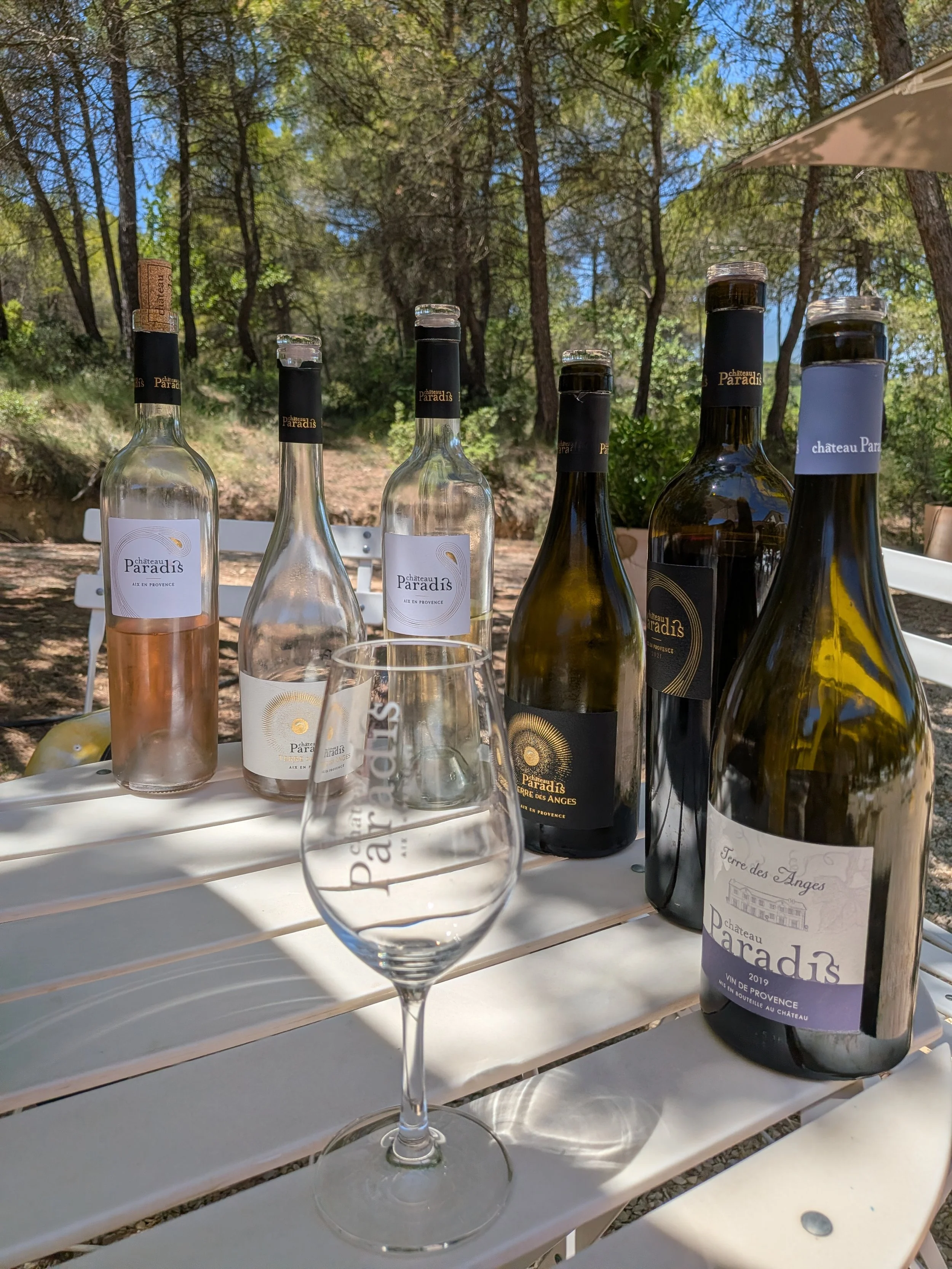
Many wineries offer tastings, and you don't need a reservation. The region is known for its rosé and white wines, so I would focus on those, especially the rosé. Anyone who tells me that rosé is not good wine just needs to experience it in Provence, on a terrace with the sound of cicadas, and they will change their minds.
We stopped at Château Paradis, an estate producing wines in the Côteaux d'Aix-en-Provence appellation. If possible, order a plateau de charcuterie with the wine tasting or attend one of the events. They also have a hiking trail.
We also did a tasting at Château Val Joanis. They are known for Côtes du Luberon wines and their beautiful gardens. They have been awarded the remarkable garden “Jardin Remarquable” label since 2005 and were awarded “Garden of the Year” in 2008. Unfortunately, we couldn't visit the gardens since there was a wedding, but we enjoyed the wine tasting and brought a bottle of rosé back home.
Pro Tip: All the little villages have pizza trucks, go pick up a pizza from there, they will be the best pizza you'll ever have!
Arles
Drive from Luberon: approximately 1 hour
Recommended stay: 1–2 nights
Spend one day exploring Roman Arles and another day in the Camargue.
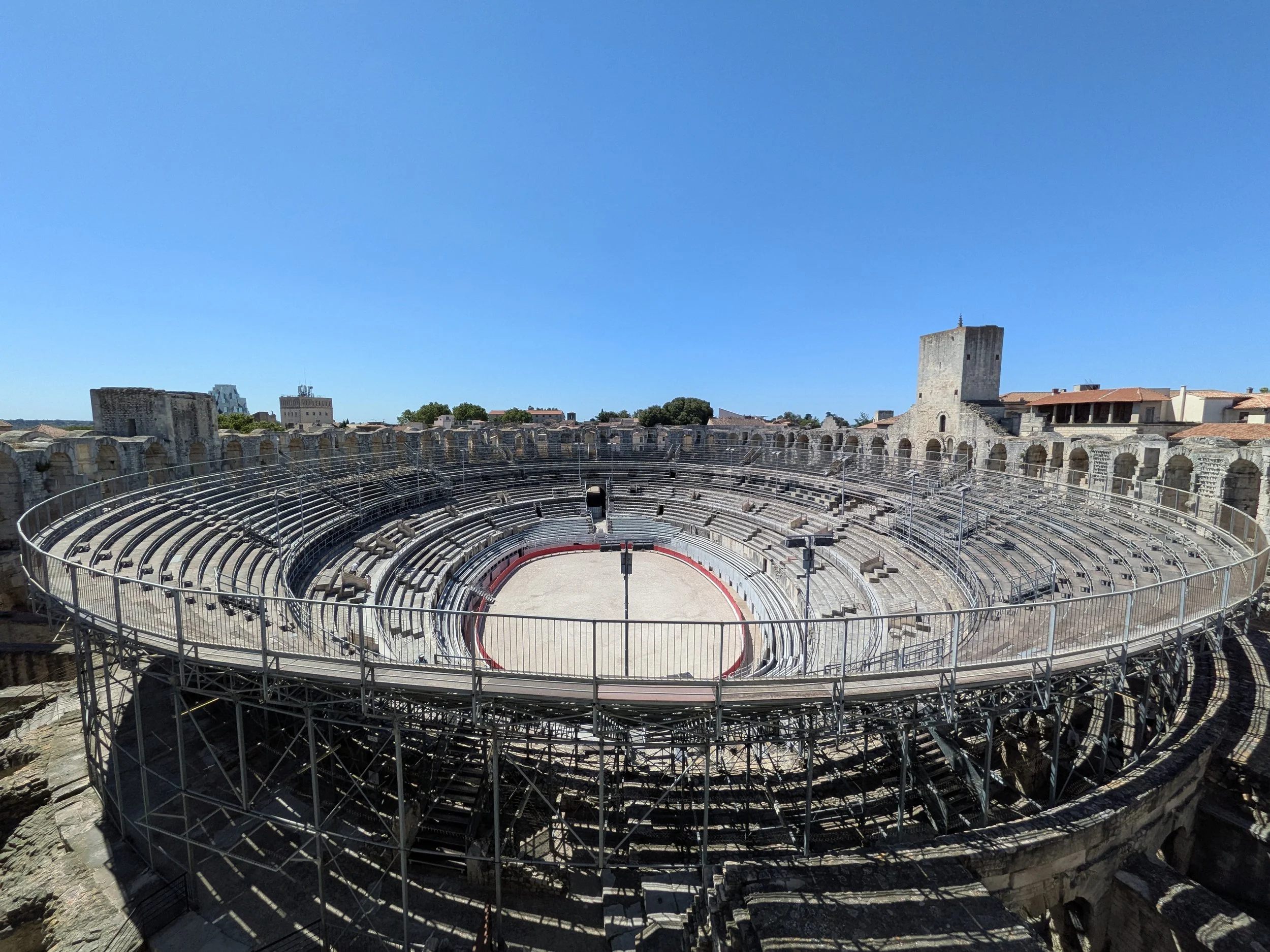
Arles is a UNESCO World Heritage site city. Once an important Roman colony, Arles still has impressive Roman Ruins. The Romans established a major colony here in 46 BC, and the city became an important centre thanks to its position along the Rhône. Today, its historic centre with its medieval streets and colourful façades, is great to visit. Vincent van Gogh lived and worked here from 1888 to 1889. Walk through the historic centre to see the places that inspired some of his paintings. The city combines ancient Roman monuments, medieval architecture, Van Gogh, contemporary art and access to the Camargue.
Roman Arles
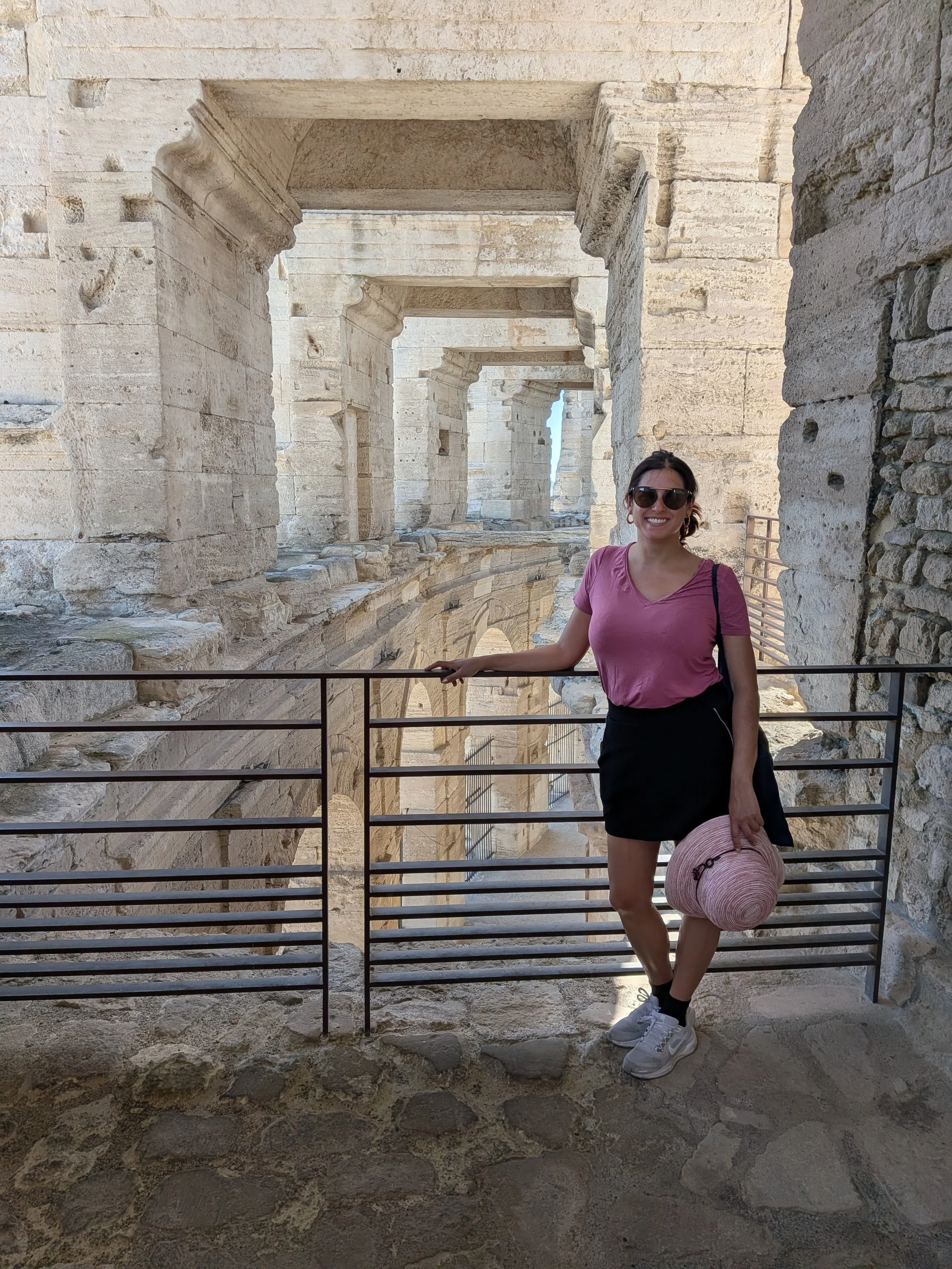
Roman Arles, or Arelate, was one of the most important cities in Roman Gaul, and its legacy is still remarkably visible throughout the city today. The best place to appreciate its Roman heritage is the Arles Amphitheatre, a massive arena that once hosted gladiatorial games and could accommodate thousands of spectators. Nearby, you can also visit the Ancient Theatre, the remains of the Roman Forum and Cryptoportiques, and the Thermes de Constantin. The Musée départemental Arles antique houses an impressive collection of archaeological finds, including mosaics, sculptures and everyday objects recovered from the ancient city.
Van Gogh
Vincent van Gogh spent around 15 months in Arles, and his time in the city marked one of the most productive periods of his career. Inspired by the Provençal light, colourful landscapes and everyday life around him, he created some of his most recognizable works, including The Yellow House, Café Terrace at Night, Starry Night Over the Rhône and L'Arlésienne. Today, you can follow the Van Gogh trail through Arles to discover the locations that inspired these paintings and see how much of the city has remained recognizable since his time there.
Fondation Vincent van Gogh isn't a museum packed with Van Gogh paintings. The foundation focuses on Van Gogh's artistic legacy and has contemporary art exhibitions.
I personally expected to see more Van Gogh paintings and was disappointed. The exhibition during my visit also wasn't really my cup of tea.
Les Rencontres d'Arles
Les Rencontres d'Arles is one of the world’s most important photography festivals and has been transforming Arles into a huge open-air gallery every summer since 1970. Rather than being concentrated in a single venue, the festival takes over historic sites throughout the city, with exhibitions installed in places such as former churches, cloisters, industrial buildings and other unexpected spaces. The programme brings together established photographers and emerging artists, covering everything from documentary and photojournalism to contemporary and experimental photography. The festival generally runs from July through September.
Unfortunately, it was scheduled to start the week after our visit.
Even outside festival season, Arles has plenty of art galleries worth visiting. We saw a gallery with the Requiem for a Piano exhibition, and I loved the layout and the concept of this art project.
Also, don't forget to visit the Bigourdan distillery; they make their own Pastis & Gin. I always prefer to buy at local distilleries.
Arles City Pass
If you're planning to visit multiple Roman sites and museums, it makes much more sense than buying individual tickets. The Arles Pass Advantage is the most comprehensive option and can save you money compared with purchasing individual tickets. The pass is valid for six months, so you don’t have to squeeze all your visits into a single day, and it gives you access to the city’s six Roman UNESCO-listed monuments. It also includes four museums: Musée Réattu, Musée départemental Arles antique, Museon Arlaten and Musée de la Camargue. The pass costs €16–€19 for adults, depending on the current period. It also gives you reduced admission to the Fondation Vincent van Gogh, as well as several nearby attractions, including Abbaye de Montmajour, Château de Tarascon, Glanum and Hôtel de Sade.
The Camargue
This is why I recommend spending a night in Arles.
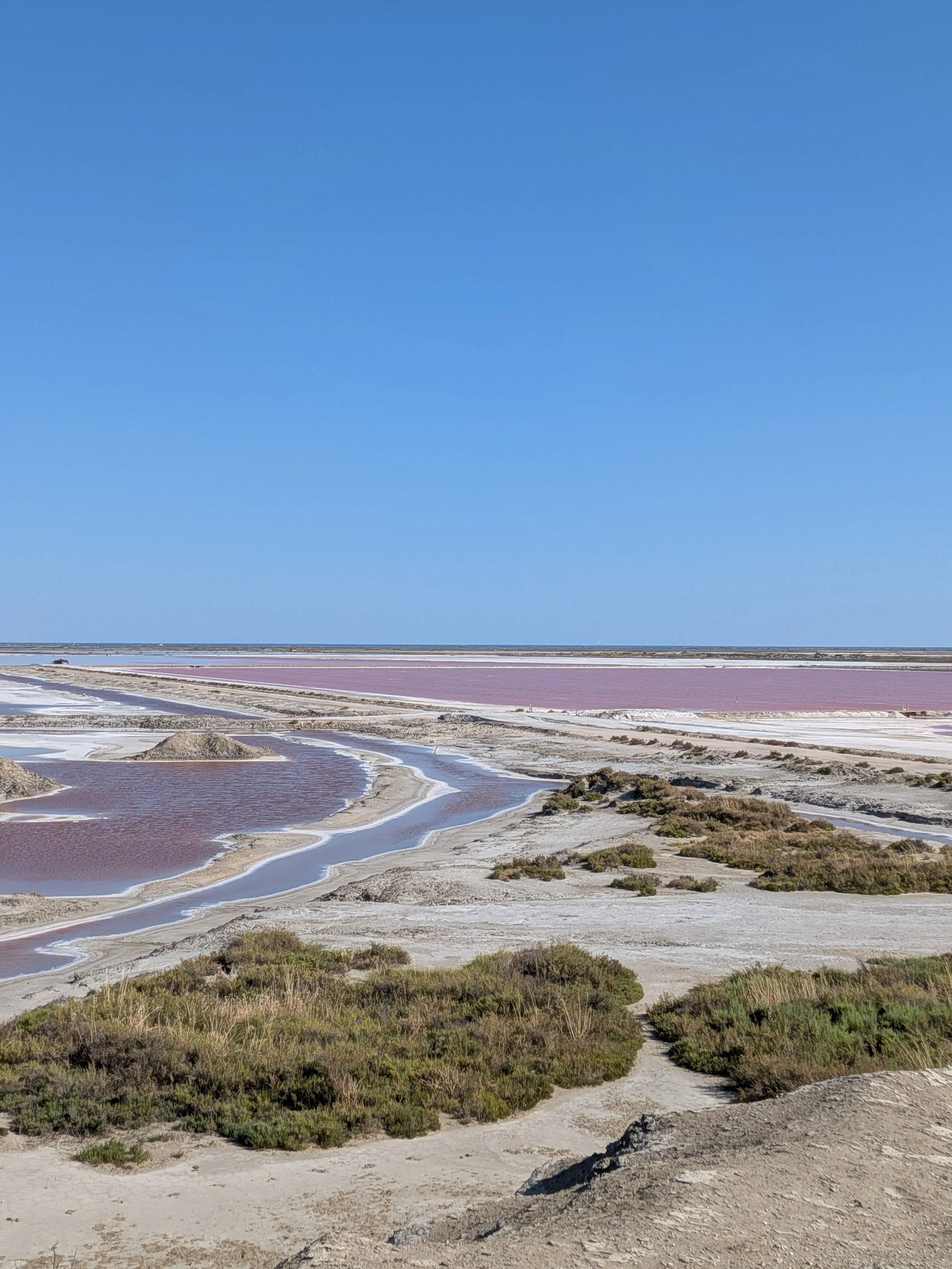
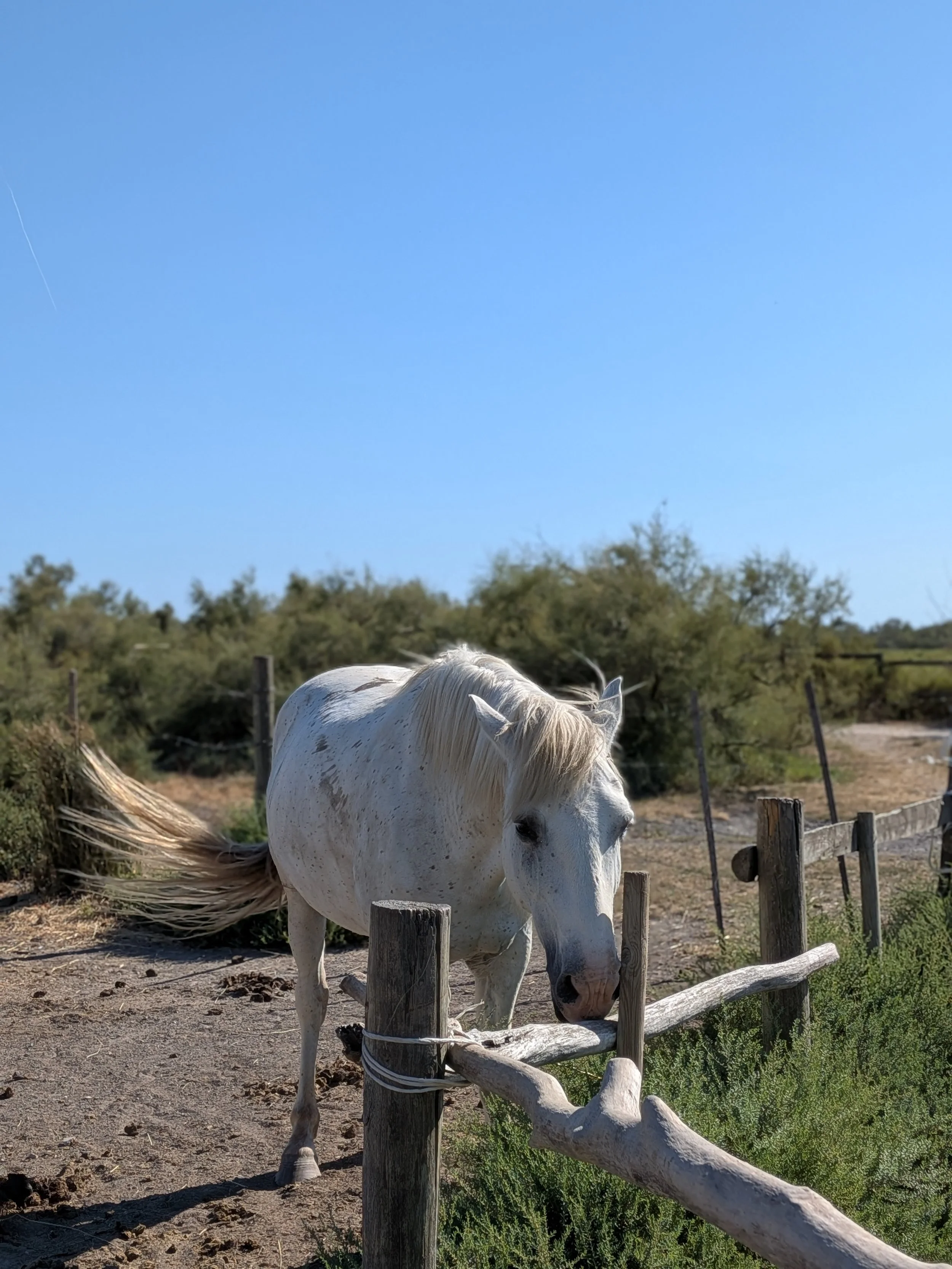
The Camargue is right on your doorstep, and you should dedicate a full day to it. The Camargue is a vast wetland region where the Rhône River meets the Mediterranean, and it is completely different from Provence. Famous for its white Camargue horses, black bulls, pink flamingos and salt marshes, the area is one of France’s most distinctive natural landscapes. The Parc Naturel Régional de Camargue protects an enormous area of marshes, lagoons, rice fields and coastal dunes, making it an excellent destination for wildlife watching and outdoor activities. Birdwatchers in particular will want to keep an eye out for the thousands of flamingos that live and migrate through the wetlands.
Explore by bike, horseback, kayak or do a safari. Visit Saintes-Maries-de-la-Mer, the region’s main seaside town, to combine a walk along the Mediterranean with local seafood. You can also visit a manade, a traditional Camargue ranch, to learn about the region’s famous bull- and horse-breeding traditions, or head to the salt marshes near Salin-de-Giraud for spectacular landscapes and wildlife. Rather than squeezing it into the same day as Arles, take your time.
Toulon
Drive from Marseille: approximately 1 hour
Recommended stay: 1 day
This is a day trip from Marseille.
Toulon is often overlooked by travellers heading toward the French Riviera.
Do you absolutely need to stop here? No. You can replace it with Cassis if you want.
Is it a nice place to visit? Yes.
I know Toulon because it was the biggest town near the tiny Var village where I spent my childhood summers.
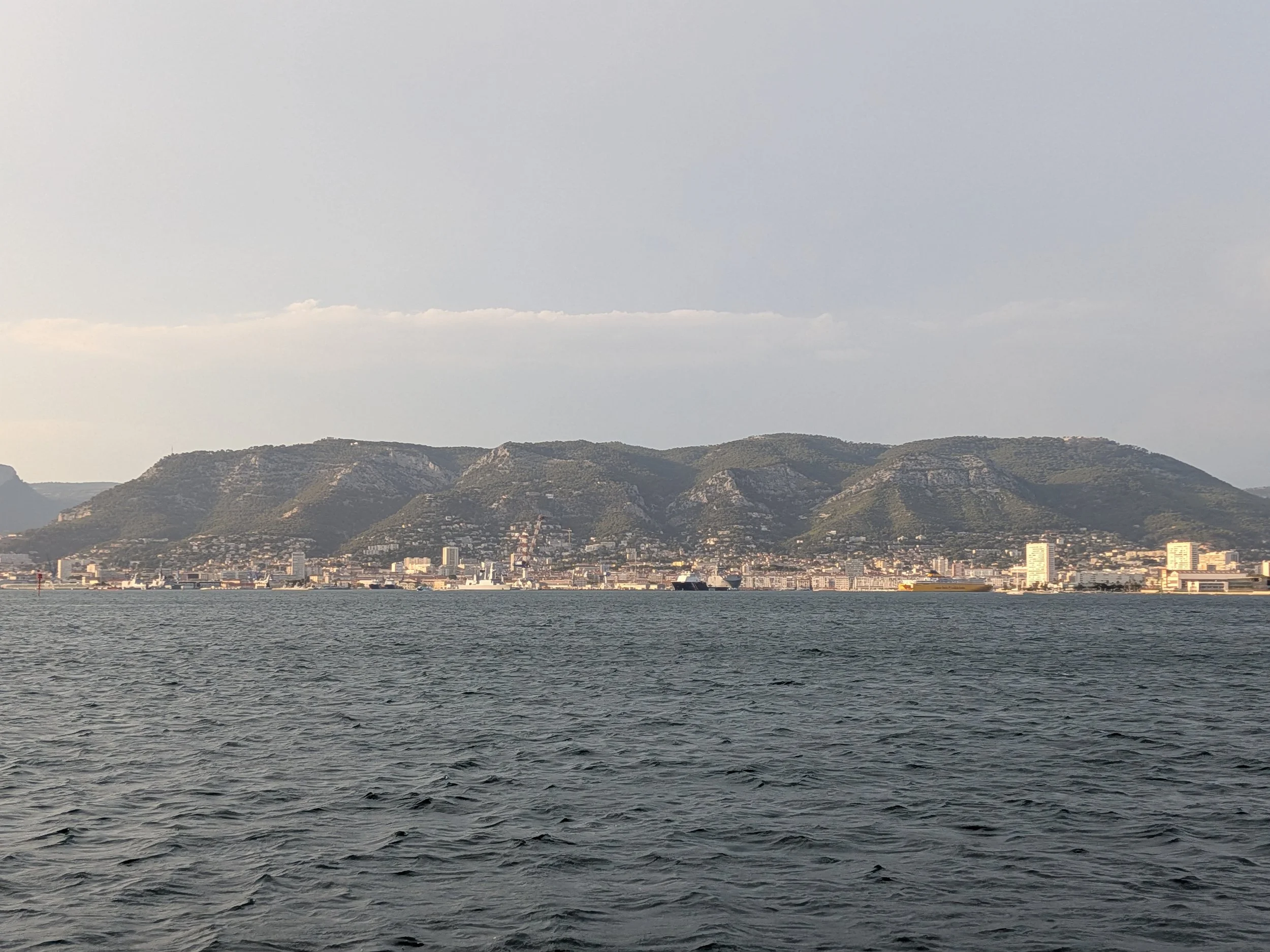
Toulon is a lively Mediterranean port city that often gets overlooked in favour of nearby Provence destinations, but it’s well worth adding to your itinerary for its harbour, maritime history and easy access to the coast.
Things to Do in Toulon
Toulon’s Vieux-Port is the main attraction, followed by the historic centre and Cours Lafayette. For naval history, visit the Musée National de la Marine, or take the Téléphérique du Mont Faron for panoramic views of the harbour and Mediterranean coast. Mont Faron also offers hiking trails and the Mémorial du Débarquement de Provence, dedicated to the Allied landings in Provence. Don’t miss Toulon’s markets, especially the Marché du Cours Lafayette, held Tuesday to Sunday mornings, with fresh produce, flowers and regional specialties. Other options include the Marché des Producteurs de Pays on Tuesdays, Fridays and Saturdays, and neighbourhood markets at Pont-du-Las, Brunet and Les Routes throughout the week.
Beaches in Toulon
Toulon has several beaches within easy reach of the city. Toulon is off most tourist guides, so you will have fewer crowds. Plage du Mourillon is the most convenient choice, with several sandy beaches grouped around the Mourillon district, along with restaurants and cafés. For a quieter setting, explore the small coves and rocky swimming spots along the Anse de Méjean and Anse de Magaud, east of the city. The Sentier du Littoral also runs along this stretch of coast, allowing you to combine a walk with stops for swimming. If you’re looking for a more substantial beach day, the nearby Plage de l’Anse des Pins and beaches around the Mourillon.
We went to Les Sablettes, a sandy beach in La Seyne-sur-Mer, just across the harbour from Toulon, with views toward the Mediterranean and the surrounding coastline. You can reach it by boat from the Vieux-Port to Les Sablettes. I like taking the little boat, which only costs 1.50 euros. The beach has a few restaurants, perfect for an apéro.
Practical Tips for Your Provence Road Trip
Getting in and out
The biggest airport is Marseille, and you can easily reach the city with public transportation.
From Marseille Provence Airport, take the A1 airport shuttle bus directly to Gare Saint-Charles in central Marseille; the journey takes about 25 minutes in normal traffic.
The heat
Summers in Provence are HOT, and unfortunately, they will be getting hotter and hotter due to climate change. France is not big on air conditioning, as we are in North America, so I would suggest you book accommodations with AC.
Also, don’t forget to bring: sunscreen, sunglasses, a hat, a reusable water bottle and light clothing.
Book ahead in summer
July and August are peak season.
Book accommodations, popular restaurants, wine tastings and major attractions in advance.
Tipping
Tipping is not mandatory in Europe.
POWER
France uses Type E outlets and 230V/50Hz electricity, so you will need a plug adapter.
Ready to experience Provence for yourself? Save this itinerary for your next trip!
Disclaimer: Thank you to the tourism boards of Marseille, Aix-en-Provence and Arles for the city passes. As always, all opinions are our own.
DO YOU LIKE THE CONTENT? WHY NOT HELP ME BY BUYING ME A VIRTUAL CUP OF TEA?
PIN IT FOR LATER!

The Ultimate Road Trip Itinerary in Provence, France

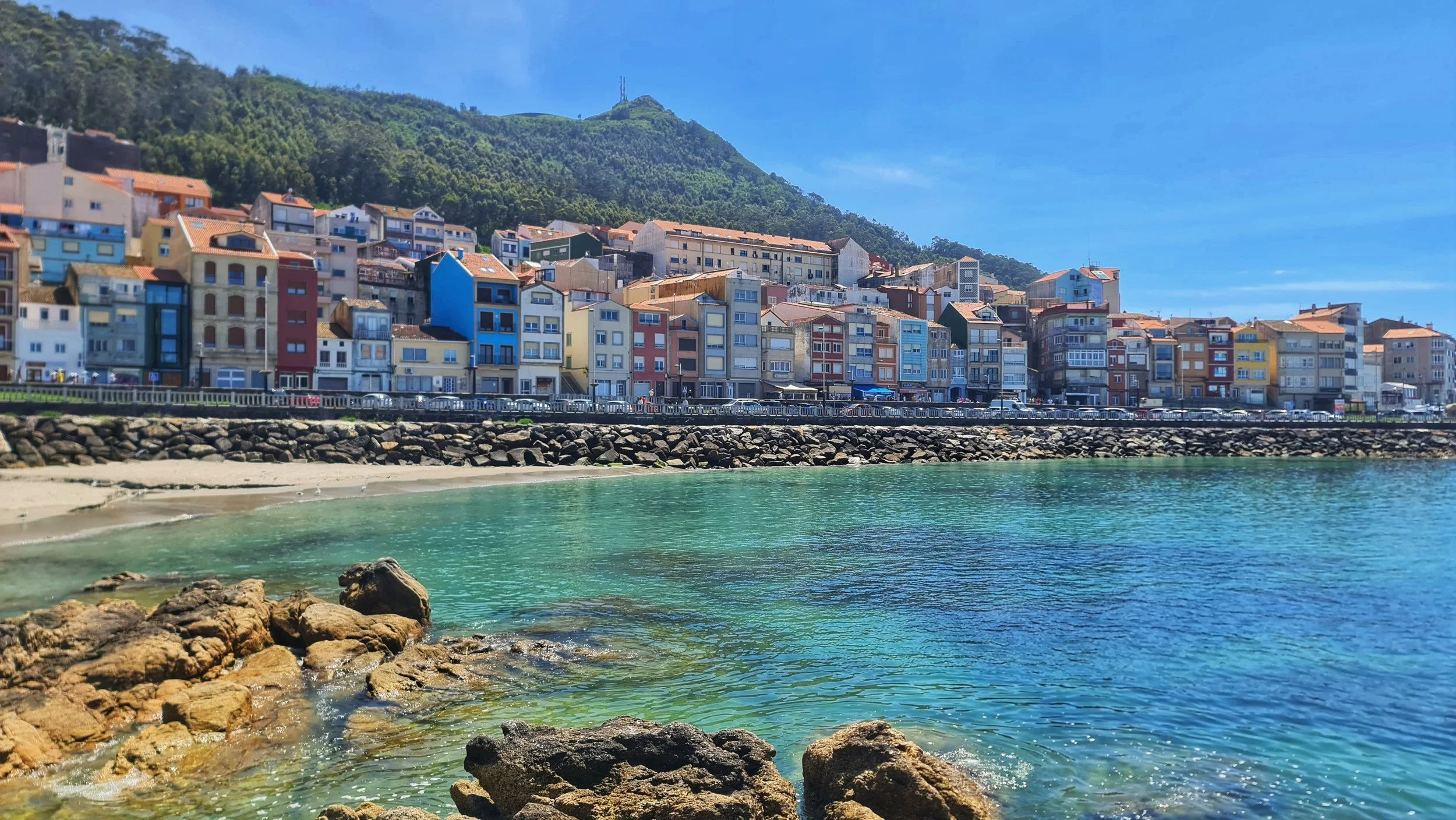
Planning a Provence road trip? Discover the perfect 7–10 day itinerary with stops in Marseille in Aix-en-Provence, the Luberon, toulon and Arles. Get practical tips on where to stay, what to see, beaches, wine tasting, transportation and more. Save this guide and start planning your Provence adventure!